Playing the piano has always been a source of immense joy and relaxation for me. The feeling of fingers dancing across the keys, bringing melodies to life, is truly magical. However, for a while, that magic started to fade. I found myself increasingly struggling to physically read sheet music. It wasn't just a minor annoyance; it was genuinely hindering my practice and enjoyment. The notes blurred, the lines merged, and what used to be a smooth, intuitive process became a frustrating battle with my own eyes.
I knew something had to change. This wasn't just about playing piano; it was about reclaiming a passion that was slowly being overshadowed by poor vision. If you've ever felt that strain, that squinting, or the sheer inability to focus on those tiny notes, then you know exactly the kind of frustration I’m talking about. I was determined to find a solution, and my journey led me to some incredibly helpful discoveries.
For months, I blamed everything but my eyes. "Maybe the lighting isn't good enough," I'd think, or "Perhaps this sheet music print is just too small." I even tried adjusting my posture, sitting closer, then further away, hoping to find that sweet spot where the notes would magically snap into focus. But no matter what I did, the problem persisted: I simply couldn't see the sheet music clearly. It was a constant struggle to distinguish sharps from naturals, or even to follow the melodic line without losing my place. My computer glasses, which worked perfectly for my monitor, offered no relief when it came to the music stand. It felt like I was constantly fighting my vision, and it was draining all the pleasure out of my practice sessions.
This wasn't just about piano, either. I noticed similar issues in other areas of my life requiring close-up focus, but the piano, with its specific viewing distance and the need for quick, accurate reading, really highlighted the problem. I was starting to avoid new pieces because the thought of deciphering blurry notes was just too daunting. My progress stalled, and my enthusiasm waned. I knew deep down that this wasn't just a minor inconvenience; it was a significant barrier to my musical journey.
My first breakthrough came from a surprising piece of advice. I was venting my frustrations to a friend, who wisely said, "Sounds like you need advice from an eye doc, not a pianist." It was such a simple statement, but it immediately made sense. Why was I trying to solve a vision problem with musical adjustments?
Following that advice, I booked an appointment with my optometrist. I explained my specific difficulty with reading sheet music at the piano. During the consultation, my friend's experience came to mind: she had measured the exact distance from her eyes to her music desk and asked her optometrist for a prescription specifically for that distance. I decided to do the same. I measured the distance from my eyes to the sheet music on my piano stand, which was slightly different from my standard reading distance and my computer screen distance.
My optometrist confirmed that I needed a special "intermediate" prescription. She explained that many people need different prescriptions for distance, reading, and computer screens because each activity involves a slightly different focal length. This "in-between" prescription was designed precisely for that sweet spot where my sheet music sits. It was a revelation! After years of squinting, I found out I just needed the right pair of glasses tailored to my specific needs.
While waiting for my new glasses, I also explored technological solutions. I discovered that many musicians use really big tablets and music score software like Musescore or Sibelius. The idea was to import PDFs of sheet music, set the size to something comfortable, and even use an auto-scroll feature. This sounded incredibly appealing, especially for longer pieces where turning pages can interrupt the flow. I tried this with a friend's large tablet, and the ability to enlarge the score to my exact preference was fantastic. It offered a level of customization that printed music simply couldn't match. For anyone else struggling to see their sheet music, this digital approach can be a game-changer.
Another practical tip I picked up was surprisingly low-tech but effective: photocopying and enlarging sheet music. For some pieces, especially those with particularly small print, simply making a larger copy can make all the difference. It's a quick fix that doesn't require new equipment or a trip to the optometrist, perfect for when you need immediate relief from tiny notes.
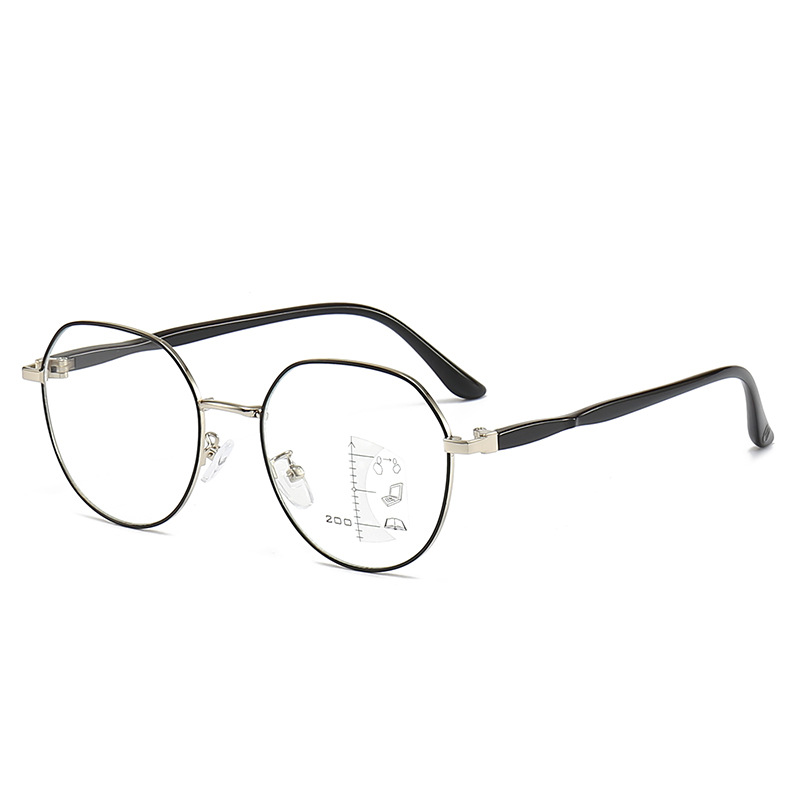
Once I had my optometrist's recommendation, I started looking for the perfect pair of glasses. I needed something that could handle not just my piano sheet music, but also my computer screen, given my existing computer glasses worked well. After some research, I stumbled upon a solution that seemed to combine the best of both worlds: multifocal progressive glasses. I specifically found the Zilead Multifocal Progressive Anti Blue Light Reading Glasses. The concept of "near and far double use presbyopic eyewear" was exactly what I was looking for. I was drawn to their promise of seamless vision across different distances, eliminating the need to constantly switch glasses.
When they arrived, I was eager to try them out. The moment I put them on at the piano, it was like a fog had lifted. The notes were crisp, the lines distinct, and I could effortlessly shift my gaze from the top of the page to the bottom without any blurriness. The progressive lenses meant I didn't have to tilt my head or strain my neck to find the right focal point. Plus, the anti-blue light feature was an added bonus, especially when I used them for my digital scores or spent time on my computer.
These glasses truly transformed my piano playing. I could practice for longer periods without eye strain or headaches. My ability to read sheet music improved dramatically, and with it, my confidence and enjoyment returned. It felt like I had rediscovered my passion all over again. For anyone exploring options for quality eyewear that addresses multiple vision needs, I often check out the Mozaer Collection for reliable solutions. Their range includes many innovative designs that could help with specific vision needs, making it easier to read sheet music or work on a computer.